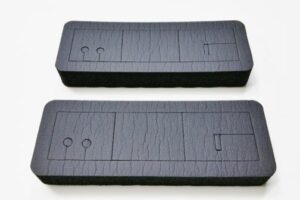
Here at CGR, we stock a wide variety of specialty materials, from unique adhesive solutions and flexible rubbers to custom-engineered fibers. During our Material of the Month blog series, we’ve been showcasing some of our favorite, most popular materials, outlining their unique features and exploring common applications. This month, we’re highlighting our extremely versatile closed…
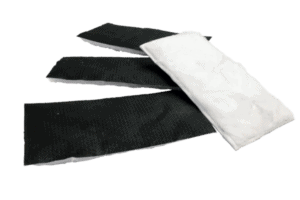
Using 3M Thinsulate to Manufacture Lighter, Quieter Cars
With mounting public concern over sustainability and increasingly strict fuel economy regulations, automakers worldwide are now focusing their efforts on lighter, more fuel-efficient vehicles. In fact, by 2025, automaker fleets in the United States and Europe will need to average more than 60 miles per gallon. To meet these new guidelines, automakers must implement incremental…
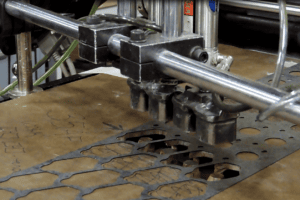
Rotary Die Cutting vs. Flatbed Die Cutting: Which Should You Use?
Die cutting is frequently used to fabricate unique shapes from rubber, plastic, and foam materials. When considering die cutting techniques, the choice between rotary and flatbed die cutting can affect the final shape and efficiency of your parts. Before starting a die cutting project, it is important to discuss all specific project requirements, including whether…

Protecting Adhesive Materials During Humid Summer Months
Summer’s heat and humidity can be especially damaging to adhesive materials. If not properly shielded , the siliconized release liner of your pressure-sensitive adhesives (PSA) will wrinkle and pucker in the heat — called cockling — resulting in overall production kinks and system failures. With the start of summer rapidly approaching, protection of your adhesive…
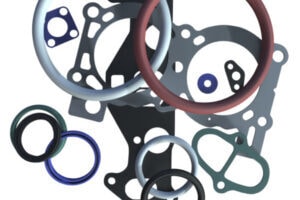
Material of the Month: Silicone Rubber
CGR Products stocks material choices of all kinds — flexible rubber sheeting, adhesive solutions, and fiber materials are just the beginning of our specialty options. Our Material of the Month series spotlights some of our favorite materials and their unique applications. This month, we’re discussing silicone rubber. What is Silicone Rubber? Silicone rubber is…

How Can OEMs Cut Costs and Optimize Their Supply Chain?
For original equipment manufacturers (OEMs), the stress of product design and manufacturing often overshadows the maintenance of a lean supply chain. Supply chain optimization is an initiative that always seems attractive, but it can be difficult to pinpoint just where to start. According to a recent TMG-IMG study, OEM supply chain management and optimization can…
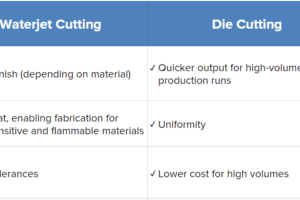
Die Cutting vs. Waterjet Cutting: Which One Should You Use for Your Project?
More cutting methods are available today than ever before. While friction sawing used to be the primary industrial material cutting option, there are now nearly a dozen viable choices. In fact, when comparing die cutting or waterjet cutting, many factors come into play. Not all cutting methods are created equal — which isn’t to say…
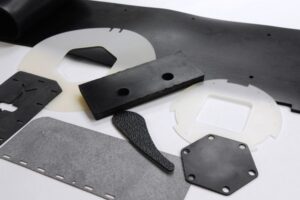
Material of the Month: EPDM Rubber
Highly Resistant and Versatile: A Solution for Everyday and Specialty Applications This blog post is the third installment of a new CGR Products content series called “Material of the Month.” The series spotlights some of the unique materials that CGR works with, as well as their common applications. Material selection can…

Material of the Month: Cross Linked Polyethylene (XLPE)
Lightweight, Versatile, Durable: A High Performance Foam Solution This blog is the second in a new CGR Products content series titled “Material of the Month.” The series will spotlight some of the unique materials and their applications that CGR works with. High performance material choices can make all the difference in a project. From sheet…
How Are Rubber Materials’ Tolerances Calculated?
Rubber parts are becoming more popular for manufacturing because of their ability to deliver flexibility in a wide range of temperatures and situations. Versatility is a top benefit, but only if materials are designed correctly. To prevent failures of critical parts and processes, the Rubber Manufacturers Association (RMA) has developed a table of tolerances that…
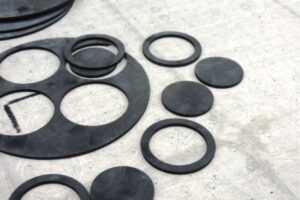
Meet the New Knife Cutting Machine at CGR: Flashcut Flex HD
Knife cutting is one of the fastest and most precise methods for producing parts. From prototypes to final products, no matter the shape or size of a design, knife cutting technology offers flawless production for a wide range of materials. This method can open up many manufacturing possibilities. We’re excited to feature brand new technology…

Material of the Month: Acrylic Foam Tapes
VHB Tapes can replace mechanical fasteners, liquid adhesives and more This blog is the first in a new CGR Products content series titled “Material of the Month.” The series will spotlight some of the unique materials and their applications that CGR works with. Our first material on the list is acrylic foam tape. What is…
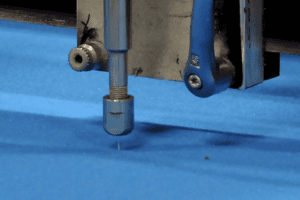
Cutting vs. Converting – What’s the Difference?
Don’t Get Tangled Up in Terminology The CGR team gets a lot of requests for cutting, converting, and fabricating. Fortunately for our customers, we do it all. As far as we’re concerned, these terms refer to the same process — the process of transforming a raw material into a precision component for your part. In…
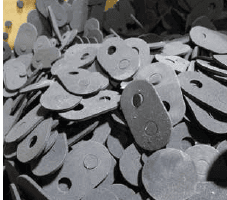
Case Studies Prove the Importance of Precision Converting
Introducing Real Examples of Customers’ Precision Converting Solutions The right material and the exact cut make all the difference. For tight-tolerance components like gaskets, pumps and seals, there is no room for error — and no detail is too minor. In the field of converting, achieving high precision is essential to the integrity of these solutions….
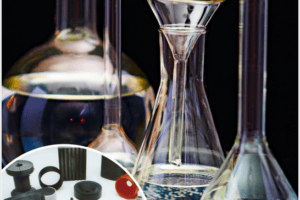
Chemical Resistance 101: Ensure Your Component Can Resist the Chemicals It’s Exposed to
Prevent degradation to your application with a Chemical Compatibility Guide Each and every elastomer material — and family of materials — comes with specific capabilities. Elastomers demonstrate resistance to harmful chemicals and fluids, but they vary greatly in performance depending upon the material in question. It’s crucial to the success of a project to prevent…